Voima Weekly #58 – The Price of Stimulation
Marko Viinikka
Toimitusjohtaja
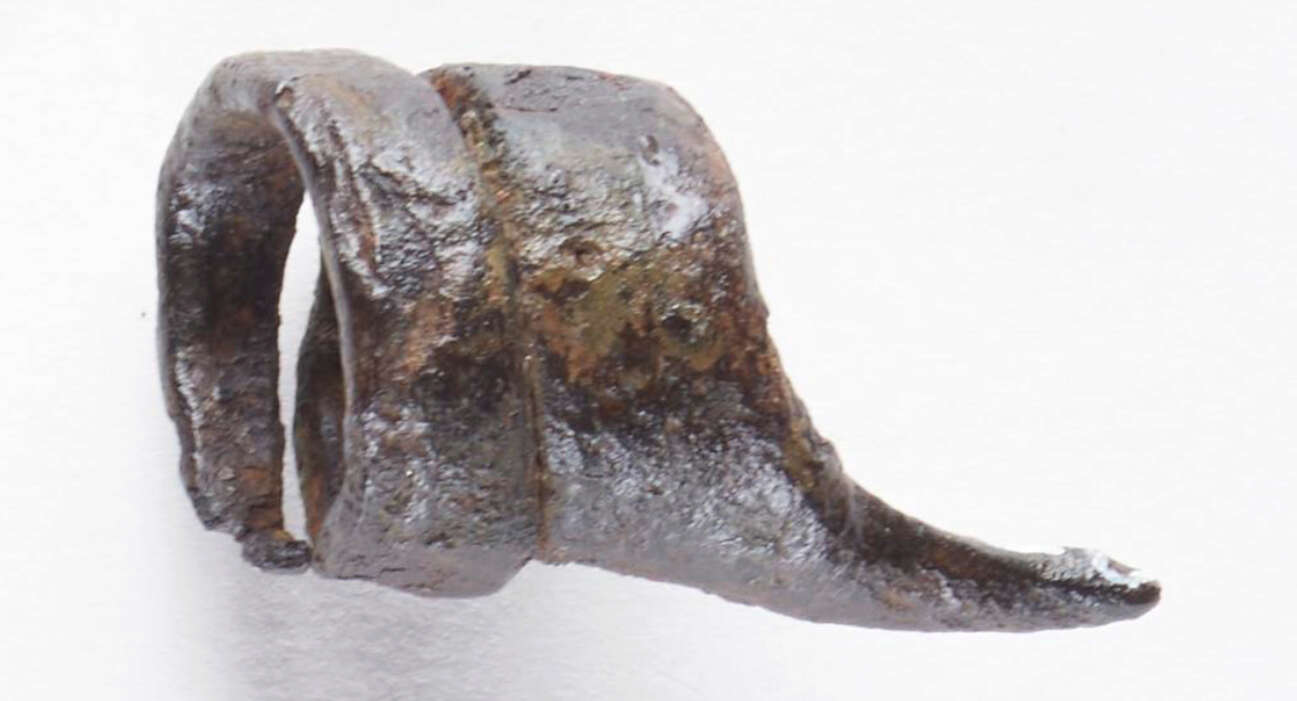
Stimulus, c. 43–200 AD. Roman cattle prod. Source: London Museum.
What do a nearly 2,000-year-old cattle prod, energy drinks, and central bank stimulus have in common?
The word stimulus comes from Latin and originally referred to a sharp-pointed stick used to drive cattle forward. Today, we speak of stimulants, incentives, and economic stimulus.
Stimulus works. At least in the short term.
Caffeine gives us a boost. I personally work an estimated 55–60 hours a week, and when I don't get enough sleep, I sometimes find myself relying a little too heavily on strong energy drinks. For a while, they work well. But when you consume too much, your body starts sending signals. The effect wears off, severe crashes follow, and eventually you need a week-long break — a reset.
In 1967, British elite cyclist Tom Simpson died during the Tour de France while climbing Mont Ventoux, aged just 29. Amphetamines were found in his system, and according to his teammates, he had also taken a sip of cognac. Combined with extreme heat and exhaustion, the circumstances proved fatal. Stimulants helped him keep going at precisely the moment when he should have stopped.
This is an extreme example, but it raises an important question: At what point does temporary relief begin to make the very problem we are trying to solve even worse?
Payday loans, pre-workout drinks, and monetary stimulus are very different things, but they share a common temptation: buying temporary relief without addressing the underlying problem, or attempting to bypass it altogether.
The global broad money supply continues to grow at an annual rate of approximately six percent. According to the Voima Total Money Index (VTMI), the global money supply stood at around $157 trillion in August. At the current growth rate, we are talking about an additional $8–10 trillion every year. A six percent annual growth rate would mean an increase of nearly 80 percent over ten years.
From a global perspective, there is certainly no shortage of money in quantitative terms. But money is not the same as wealth. What matters is what money can buy and what we can produce with it. The Book of Haggai offers a fitting image of a wage earner whose earnings disappear as though placed into a purse with holes in it (Haggai 1:6). What good is an ever-growing money supply if its purchasing power does not hold?
Is it ultimately a good thing that money can be created continuously? Monetary flexibility can help during crises, but it also allows difficult decisions to be postponed. Under a system such as the gold standard, money creation is constrained by its link to physical gold. It forces the economy to adjust rather than allowing problems to be repeatedly patched up with newly created money and debt. Such adjustment can be painful, but continuous stimulus is not free either. Its cost can be seen, for example, in the erosion of the purchasing power of savings.
I am not opposed to stimulants or economic stimulus as such. Used in moderation and at the right time, they can be effective ways to get through a difficult situation. But when temporary relief becomes a permanent way of operating, we may only deepen the original problem. Eventually, we find ourselves digging a hole beneath our own feet.
Lasting relief often requires addressing the root cause. The price is discipline, taking responsibility, and sometimes facing difficult issues head-on.
Yet I have also noticed that when we finally confront something difficult, grace often follows. The burden becomes lighter, things begin to open up, and solutions can bring lasting relief and prosperity.
My hope for all of us is that we have the wisdom, both at work and at home, to recognize when we need a temporary boost and when it is time to fix what created the need for that boost in the first place.
Have a great week ahead!
–Marko Viinikka
Founder, CEO
Voima Gold Oy
Disclaimer: Voima Weeklies are the personal writings of the undersigned. They do not necessarily represent the official view of Voima Gold Oy or any other company, nor do they constitute investment advice or a recommendation to purchase securities.
You may like these
Below you will find related Voima Weekly publications where we explore economic developments, purchasing power, and the role of gold from different perspectives.2026-11-09
Voima Weekly #57 – Looking Beneath the Price
A kilogram of gold costs 850,000 yuan, €120,000 or 20 million yen, yet it is the same kilogram. The price says more about the money than about gold.
2026-11-02
Voima Weekly #56 – Positioning Begins with a Clear Picture of Where We Stand
Positioning begins with an honest picture of where we stand. Gold's October 30 drop and the long-term money backdrop are two different time horizons.
2026-10-26
Voima Weekly #55 – To the Moon
The world's broad money supply stacked in $100 bills: the 2003 stack reached geostationary orbit, the 2026 stack almost halfway to the Moon. Tracking money growth helps show where new money may flow.
